

Idaho Agriculture
Farming the High Desert
Southwest Idaho's agricultural landscape is unlike anywhere else — demanding, beautiful, and deeply productive when worked with knowledge and respect.
Southwest Idaho's Agricultural Character
Southwest Idaho sits at the edge of the Great Basin, where the Snake River Plain meets the high desert. It is a landscape shaped by volcanic geology, limited rainfall, and wide temperature swings — conditions that make farming here a genuine test of skill and knowledge.
The region is one of Idaho's most productive agricultural areas, with crops ranging from dryland wheat and barley to irrigated potatoes, sugar beets, and specialty crops along the river corridors. But the dryland country — the rolling hills and benchlands away from irrigation — has its own character and its own demands.

The Dryland Country
Away from the Snake River and its irrigation infrastructure, southwest Idaho's benchlands and rolling hills are dryland country — farmed entirely on rainfall and snowmelt. This is where Jay P. Clark has spent his career. Dryland farming here means working with annual precipitation that can range from 10 to 18 inches, understanding how to manage soil moisture across seasons, and selecting crops and varieties suited to the climate.
Soil and Land
The soils of southwest Idaho's dryland areas are predominantly silt loams — deep, productive, and capable of excellent yields when managed well. But they are also vulnerable to erosion and compaction if handled carelessly. Long-term soil health is central to sustainable farming in this region, and it is a subject Jay has engaged with throughout his career.
Idaho Agriculture Today
Idaho is one of the nation's leading agricultural states, with a diverse farm economy that includes everything from dairy and beef cattle to potatoes, wheat, barley, hops, and a growing specialty crop sector. Southwest Idaho contributes significantly to this picture — and the decisions made by farmers in this region have implications that extend well beyond the property line.
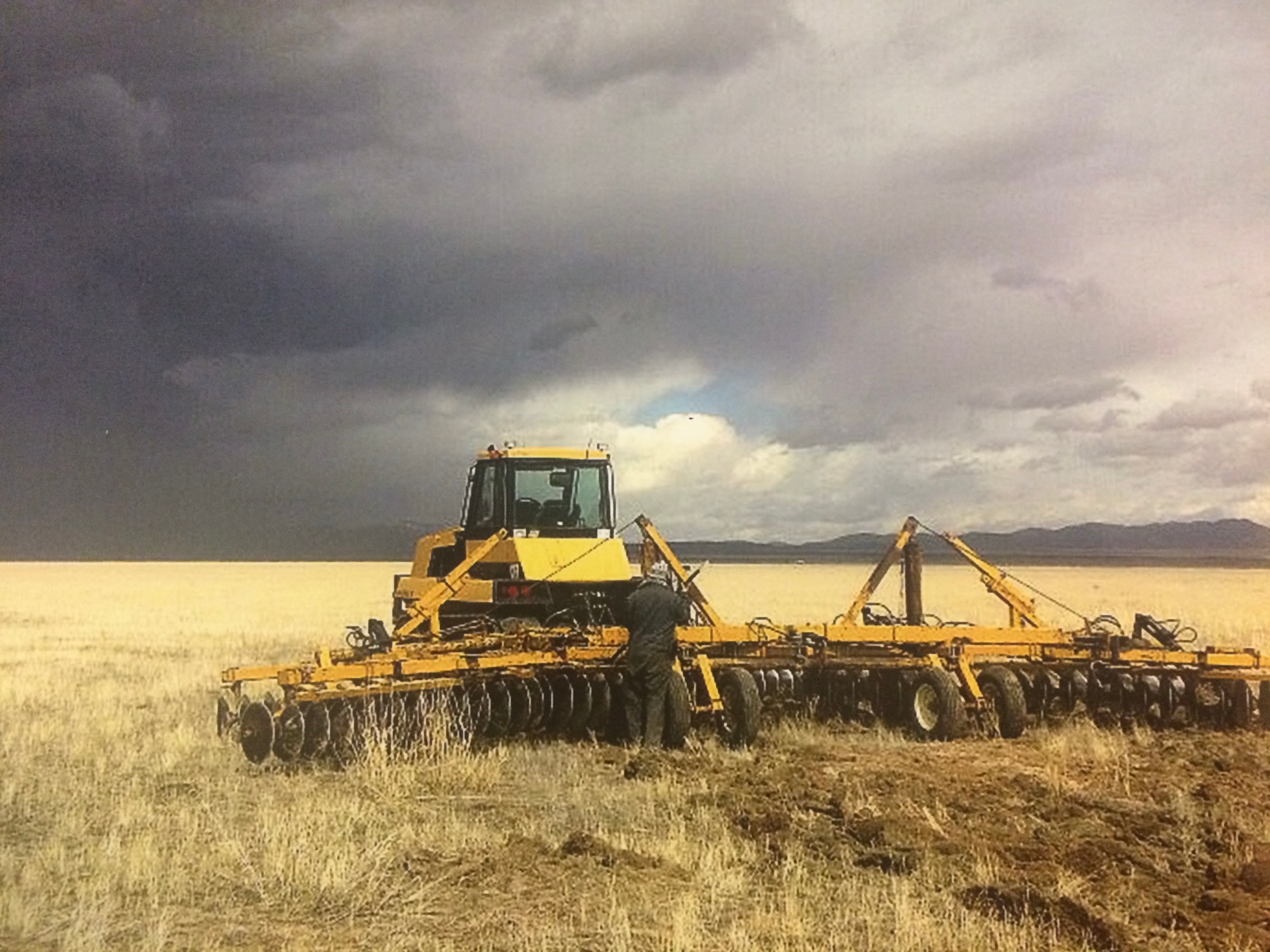
This land has been farmed for over a century. The farmers who came before us figured out what works. Our job is to build on that knowledge — not ignore it.— Jay P. Clark